














Story
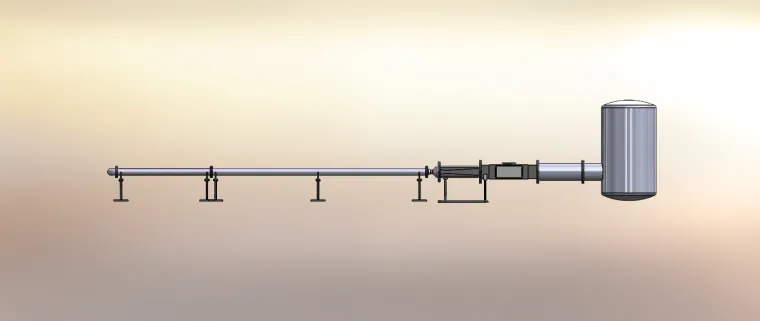
A Hypervelocity Expansion Tunnel (HET) is an advanced ground-based aerodynamic test facility used to simulate the extreme conditions (high speed, temperature, and pressure) that spacecraft experience when entering a planet’s atmosphere — like Earth or Mars
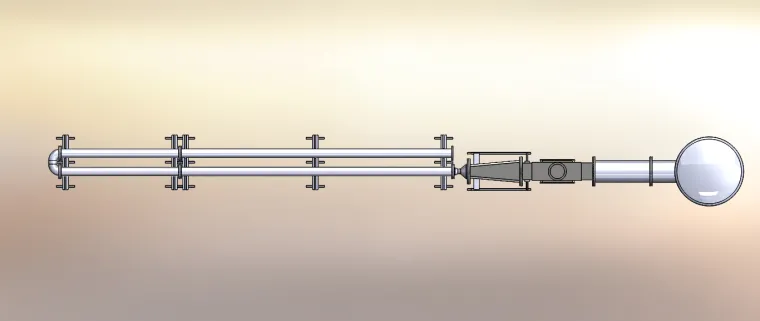
Working Principle: Driver Section: High-pressure gas (like helium) is used to drive a piston or diaphragm.
Shock Tube: When the diaphragm bursts, a shock wave moves through a test gas (like air), heating and compressing it.
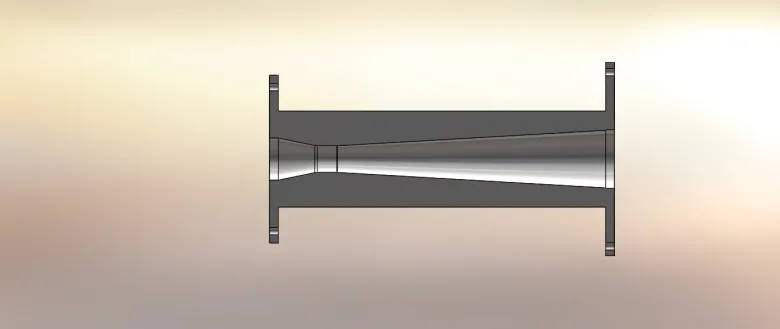
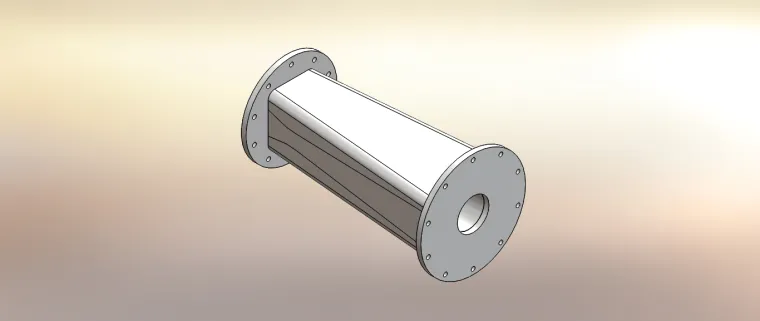
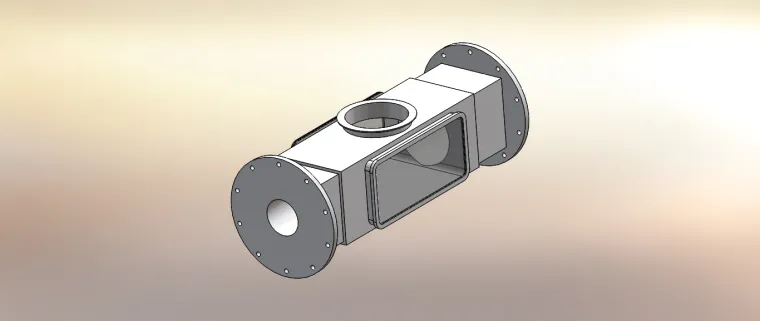
Expansion Tunnel Section: The high-temperature gas then expands suddenly through a nozzle, accelerating to hypervelocity speeds — similar to a spacecraft entering the atmosphere. This flow passes over the test model (re-entry vehicle) placed in the test section.
SUMMARY: Parameter Speed Range Duration Main Use Tested Systems Advantage Hypervelocity Expansion Tunnel Mach 10–25+ Few milliseconds Simulate spacecraft re-entry Heat shields, re-entry vehicles, sensors Realistic re-entry temperature and chemistry