









Story
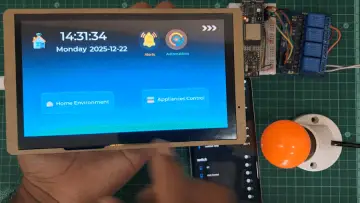
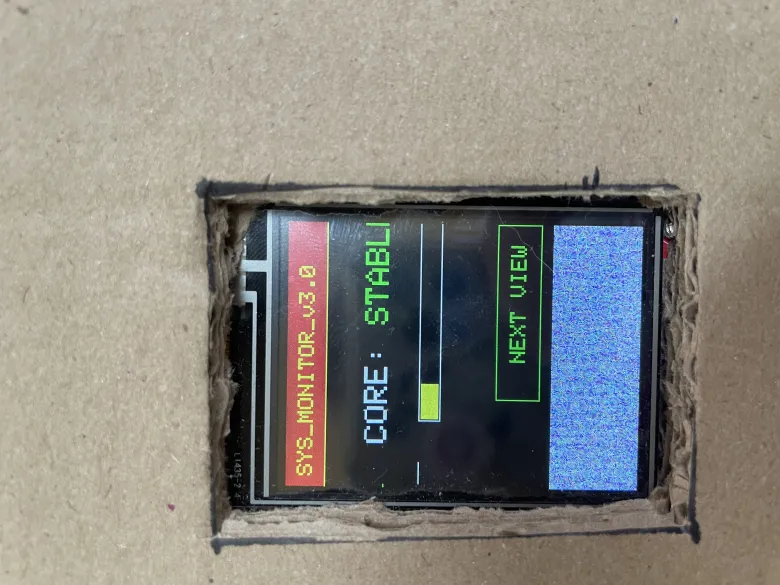
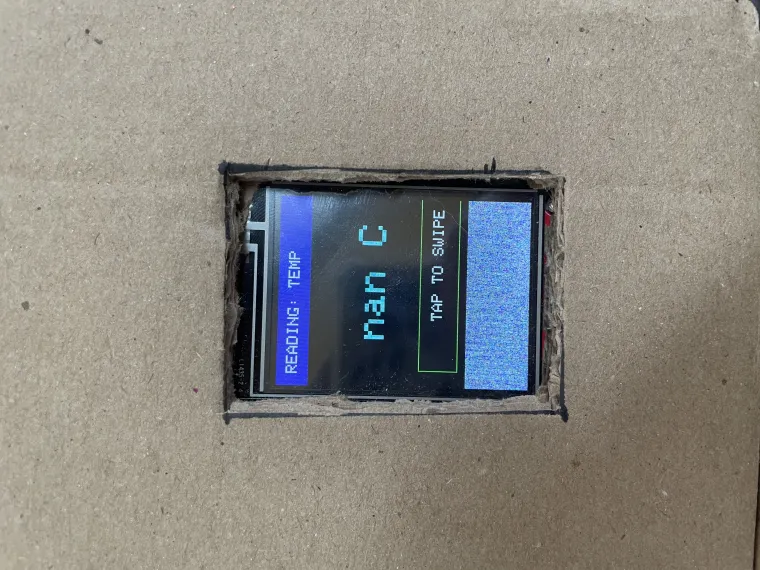
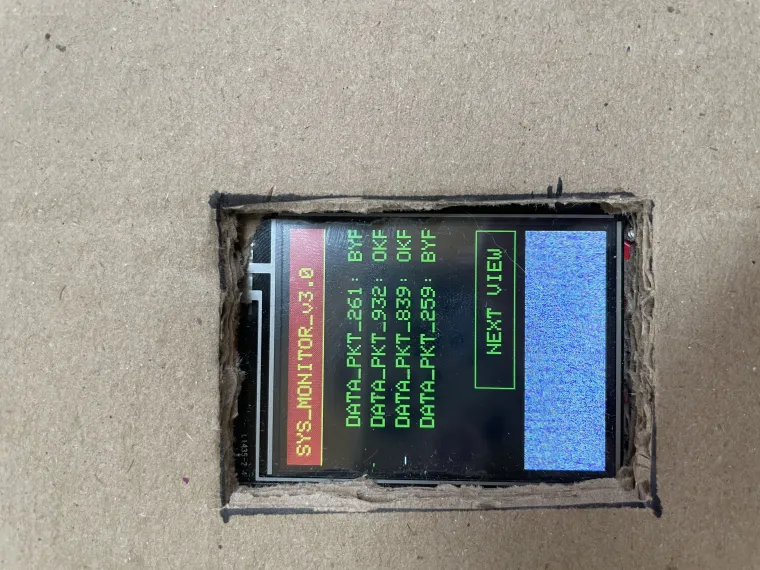
The "Cyber-Terminal" code functions as a sophisticated state machine that manages both hardware communication and visual rendering to create an interactive, multi-page user interface. At its core, the code uses a global variable to track the current "state" or "app," ensuring that the Arduino only processes the logic and graphics for one specific screen at a time, which prevents data bottlenecks on your SPI bus and protects your USB-C adapter from power surges. The interaction is driven by the XPT2046 touch controller, which utilizes an interrupt pin (Pin 3) to signal the Arduino the moment a touch occurs; the code then captures these raw resistance values and uses the map() function to translate them into 320x240 screen coordinates. To keep the visuals smooth and "cool," the script employs conditional rendering—drawing static elements like headers only once—and uses the millis() timer combined with the modulo operator to generate high-speed animations, like the infinite progress bar, without stopping the rest of the code. By leveraging 16-bit RGB565 hex color codes and randomized data generation, the program simulates a high-tech terminal environment while maintaining a strict "debounce" delay to ensure every finger tap is registered as a single, intentional command rather than a chaotic flurry of inputs.