














Story
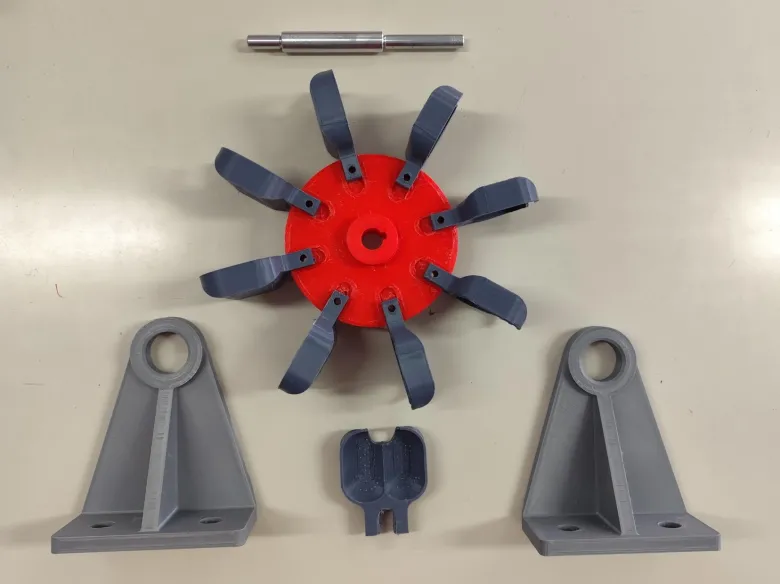
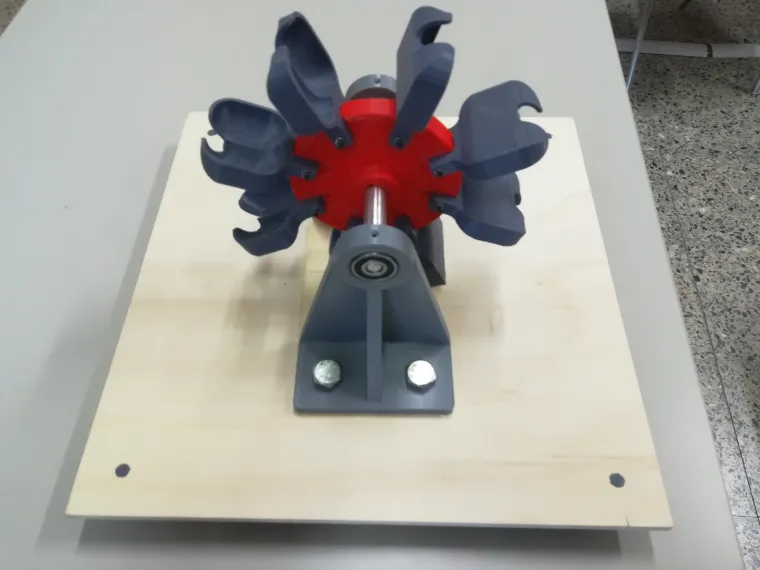
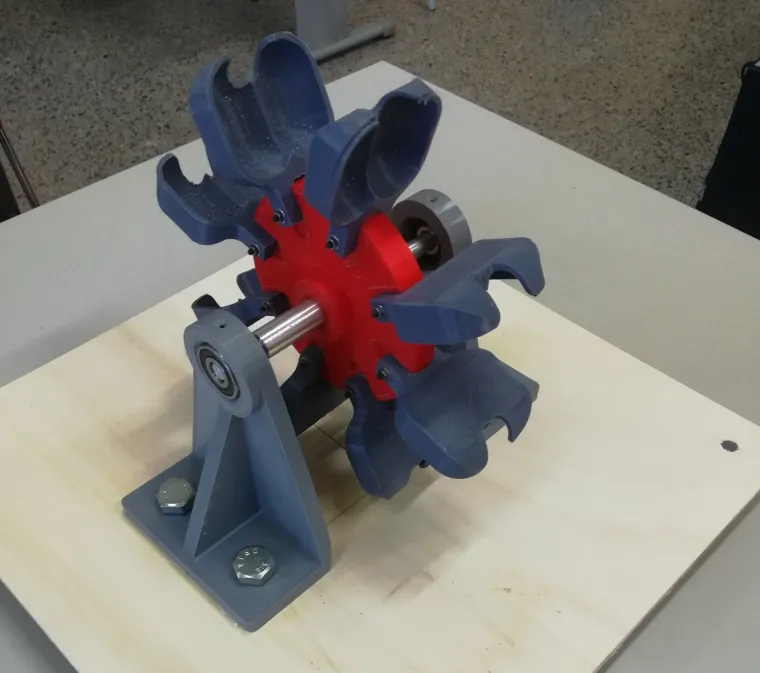
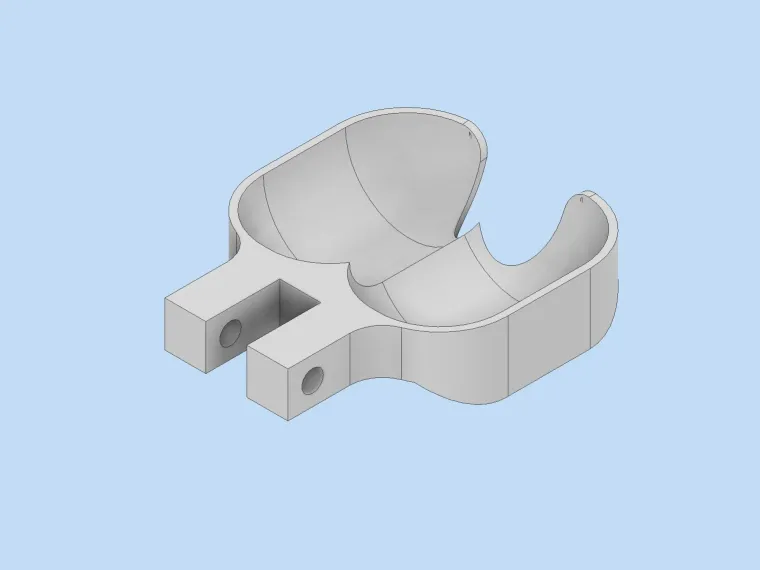
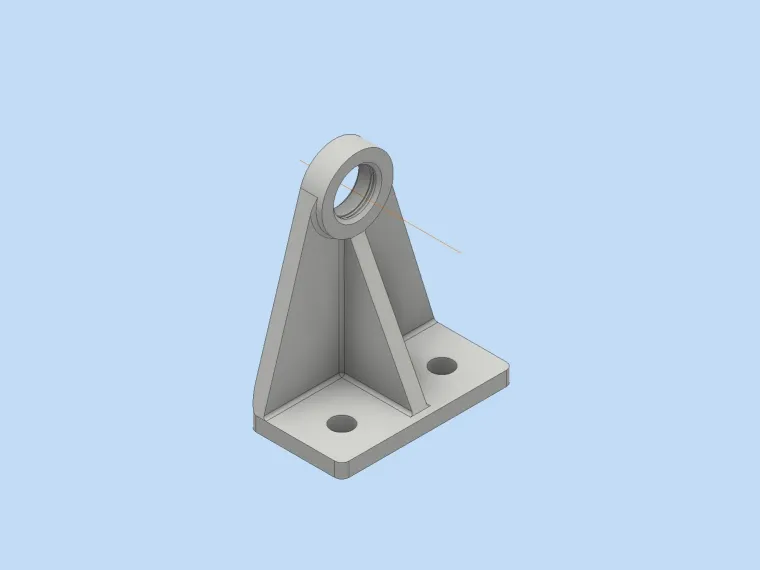
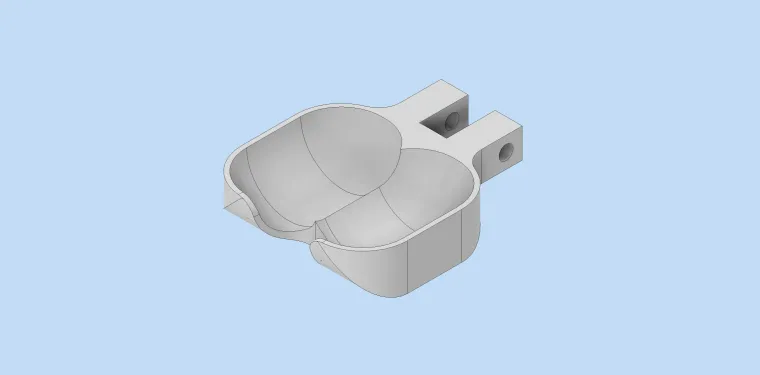
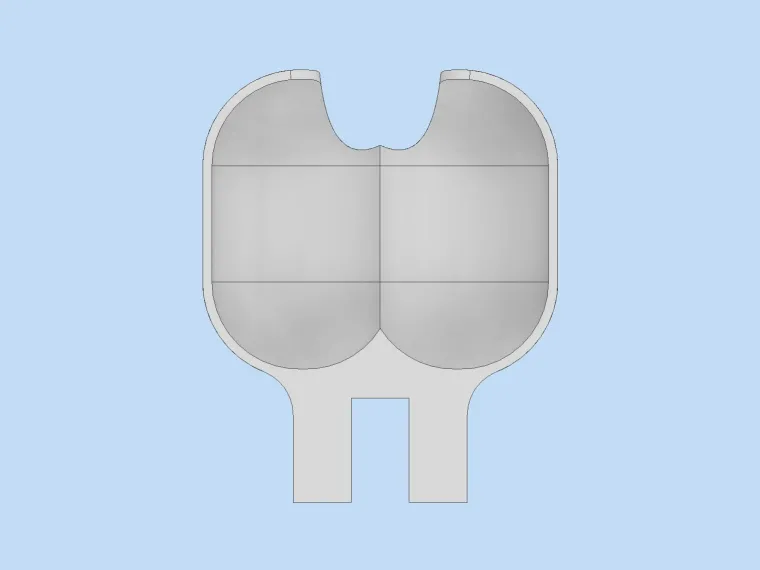
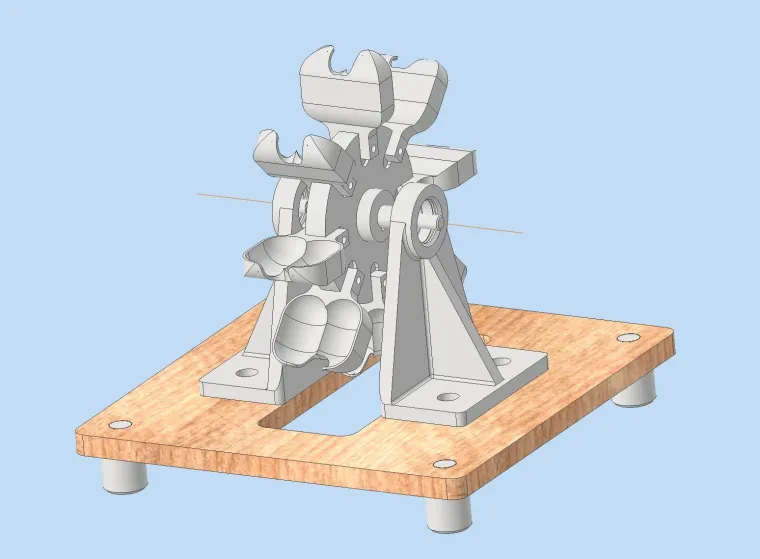
This project is a complete Pelton turbine modeling and 3D printing workflow, developed in an Italian high school (ITIS E.Fermi -Castrovillari (CS) during first semester of 2025.
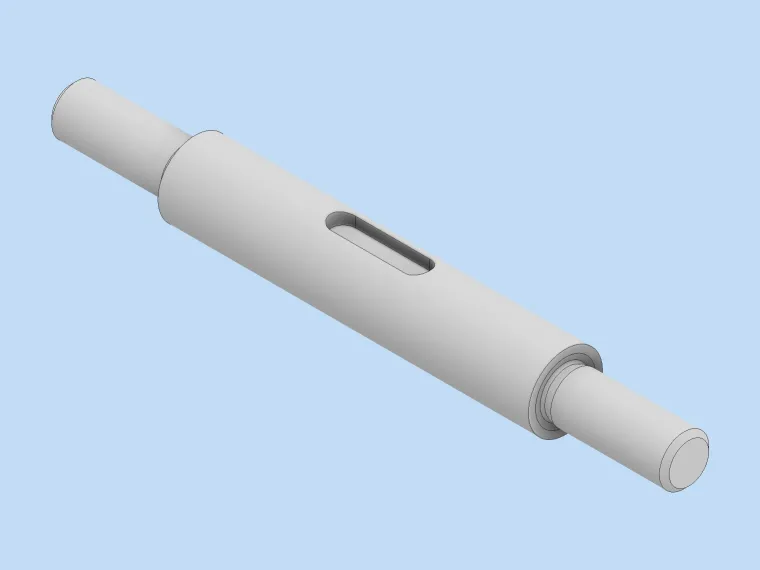
It guides students through the full process: from understanding the physical principles of a Pelton turbine, to parametric 3D modeling with Autodesk Inventor, and finally to preparing the model for 3D printing. We have CNC turned the Pelton shaft.
The goal is to combine mechanical engineering theory with hands-on digital fabrication.
For a complete tutorial with video (sorry in italian only!), technical drawings, CAD files and images look at: https://antedoro.it/2025/05/inventor-modeling-pelton-turbine-bucket/
3D CAD model in Autodesk Inventor format at GRABCAD: https://grabcad.com/library/pelton-wheel-bucket-2
Features and design
- Accurate mechanical design based on real Pelton turbine geometry
- Parametric modeling, allowing easy modification of dimensions and proportions
- Designed specifically for educational use, with a focus on clarity and reproducibility
- Optimized geometry for 3D printing, avoiding overhang issues and weak points
- Suitable for both individual blades and complete turbine assemblies
- The design balances engineering correctness with simplicity, making it accessible to students while remaining technically meaningful.
Tutorial and learning materials
The project includes a step-by-step tutorial that shows how to build the model from scratch.
The learning materials are structured to be easy to follow and progressive.
- Step-by-step CAD tutorial in Autodesk Inventor
- Clear explanation of sketches, constraints, extrusions, revolutions, and mirrors
- Images and diagrams illustrating each modeling phase
- Videos showing the complete modeling process in real time
- Final steps covering export for 3D printing and basic print considerations
This format allows learners to follow along at their own pace and reproduce the project independently.
Why this project is significant for the community
- Bridges the gap between theory and practice in engineering education
- Encourages open learning and knowledge sharing
- Can be reused by teachers, students, and makers worldwide
- Promotes renewable energy awareness through a real hydraulic turbine example
- Lowers the barrier to entry for CAD and digital manufacturing
By making the project openly available and well documented, it becomes a reusable educational resource for schools, makerspaces, and self-learners.